
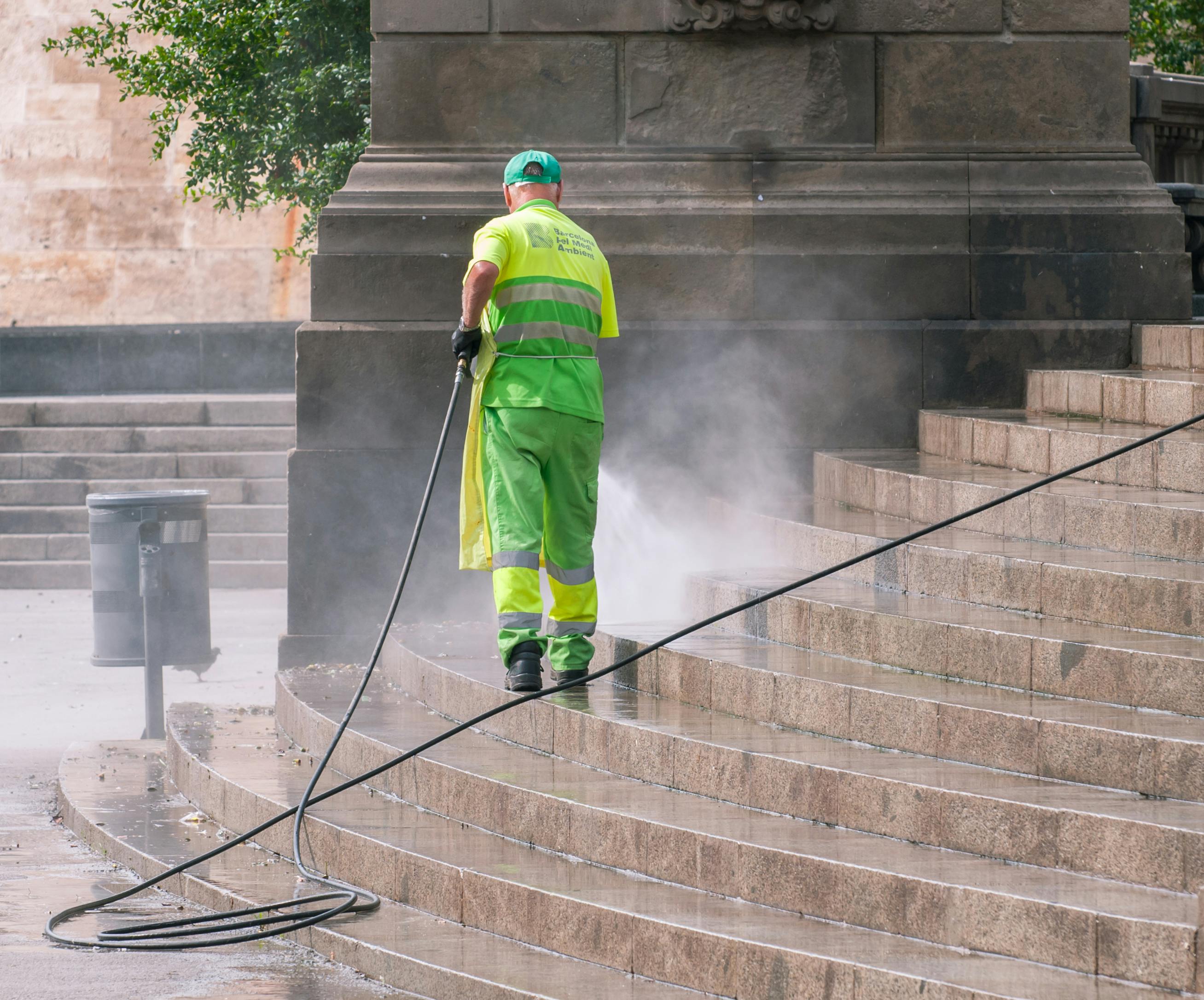
Pressure cleaning has become an essential maintenance tool for residential and commercial properties alike. By harnessing high-pressure water streams, stubborn grime, mold, oil stains, and accumulated debris can be removed quickly and efficiently, extending the lifespan of surfaces while enhancing curb appeal. However, achieving professional results without inflating budgets requires a clear understanding of techniques, equipment selection, and cost-saving practices. This article explores practical, affordable approaches to pressure cleaning, offering actionable insights for property owners who demand high-quality outcomes without unnecessary expense.
Understanding Pressure Cleaning Fundamentals
Before diving into specific solutions, it is helpful to grasp the basic principles that drive effective pressure cleaning. The process combines water pressure (measured in PSI) and flow rate (gallons per minute) to dislodge contaminants. Selecting the appropriate PSI and nozzle type for each surface prevents damage while maximizing cleaning power. For a deeper dive into technique selection, Discover expert strategies here.
Key Benefits
- Rapid removal of deep-set stains and biological growth.
- Reduced need for harsh chemicals, promoting environmental safety.
- Extended surface durability and improved aesthetic value.
- Lower long-term maintenance costs through periodic deep cleaning.
Surface Compatibility
- Concrete and driveways: High PSI (3000-3500) with a rotating nozzle for oil and tire marks.
- Wood decks: Moderate PSI (1500-2000) with a fan-spread nozzle to avoid splintering.
- Vinyl siding: Low to medium PSI (1200-1800) using a gentle spray pattern.
- Metal fixtures: Adjustable pressure to prevent corrosion, often combined with a detergent solution.
Cost-Effective Strategies for Superior Results
Achieving a professional finish does not always require premium-priced equipment. By optimizing workflow and selecting versatile tools, property owners can keep expenses in check while still delivering impressive outcomes.
Smart Equipment Investment
- Choose a pressure washer with interchangeable nozzles; a single unit can handle multiple tasks.
- Opt for electric models for light-duty jobs to reduce fuel costs and maintenance.
- Consider renting high-capacity units for occasional heavy-duty projects instead of purchasing.
Efficient Cleaning Practices
- Pre-soak surfaces with a biodegradable detergent to lower required pressure.
- Work in sections, starting from the highest point and moving downward to prevent re-contamination.
- Utilize overlapping spray patterns to ensure uniform coverage without excessive passes.
For a curated list of affordable equipment options and rental locations, Learn about our tailored solutions.
Choosing the Right Equipment for Specific Jobs
Selecting the correct pressure washer hinges on the nature of the task, surface material, and desired finish. Below is a quick reference guide to match equipment specifications with common cleaning scenarios.
Equipment Selection Matrix
- Light residential cleaning (e.g., patio furniture, car exteriors): 1300-1800 PSI, 1.4-1.6 GPM, electric motor.
- Medium-scale projects (e.g., deck restoration, fence cleaning): 2000-2500 PSI, 2.0-2.5 GPM, gasoline engine.
- Heavy commercial work (e.g., warehouse floors, large driveways): 3000+ PSI, 3.0+ GPM, high-output gasoline or diesel engine.
When in doubt, consulting a specialist guide can prevent costly missteps. Explore advanced guides and tips for detailed equipment comparisons.
Maintenance and Safety Practices
Proper upkeep of pressure cleaning equipment extends its service life and ensures safe operation. Regular maintenance also eliminates inefficiencies that can increase operating costs.
Routine Maintenance Checklist
- Inspect hoses for cracks or abrasions before each use.
- Flush the pump with clean water after every job to remove residue.
- Check oil levels in gasoline-powered units weekly.
- Replace worn nozzle tips promptly to maintain consistent pressure.
Safety Protocols
- Wear protective eyewear and non-slip footwear.
- Never point the spray at people, pets, or electrical outlets.
- Test the pressure on a hidden area first to confirm suitability.
- Secure loose items that could become projectiles under high pressure.
For a comprehensive safety manual and maintenance schedule, Find out more about this approach.
When to Engage Professional Services
While many tasks can be tackled with DIY equipment, certain situations benefit from the expertise of seasoned pressure cleaning professionals. Recognizing these scenarios helps avoid damage and ensures optimal results.
- Large-scale commercial properties: Complex layouts and high-traffic areas often require specialized machinery and trained operators.
- Delicate historic surfaces: Stone, brick, or heritage wood may need low-pressure techniques and customized cleaning agents.
- Stubborn industrial stains: Grease, oil, and chemical residues might necessitate hot-water systems and professional-grade detergents.
- Time-critical projects: When deadlines are tight, professional crews can deliver rapid, consistent results.
Engaging a reputable service provider ensures adherence to industry standards while keeping costs transparent. For a vetted list of professionals who balance quality with affordability, Discover expert strategies here.
Conclusion
Professional and affordable pressure cleaning is attainable through informed equipment choices, disciplined maintenance, and strategic use of resources. By applying the outlined best practices, property owners can achieve immaculate surfaces, extend material lifespans, and maintain budgets. Continuous learning, through reputable guides and expert insights, remains the cornerstone of successful pressure cleaning endeavors.