
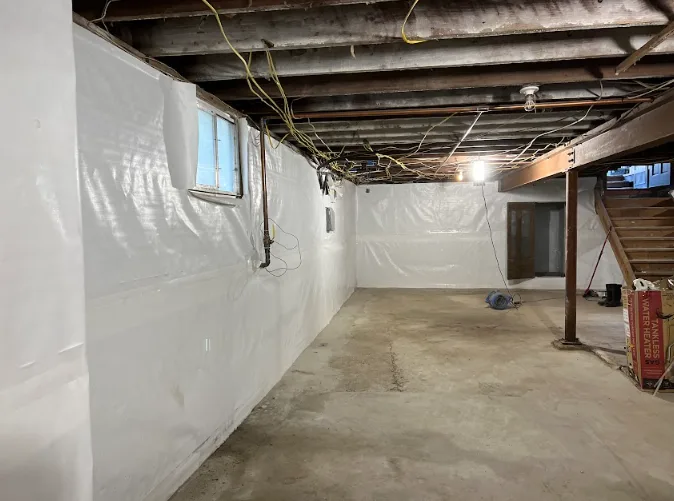
Basement water intrusion is a common challenge that can compromise structural integrity, indoor air quality, and the comfort of any home. When moisture finds its way through cracks, joints, or porous walls, the resulting damage can quickly escalate from unsightly stains to serious mold growth and foundation deterioration. Addressing these issues requires a methodical approach that combines accurate diagnosis, proven repair techniques, and preventive measures. This article outlines the essential steps and considerations for achieving lasting basement leak solutions, drawing on industry-tested practices and expert guidance.
Understanding the Root Causes of Basement Leaks
Before any repair work begins, it is crucial to identify the specific pathways through which water enters the basement. Common sources include:
- Hydrostatic pressure forcing water through foundation cracks.
- Improperly sealed window and door frames.
- Inadequate exterior drainage or clogged French drains.
- Capillary action drawing moisture up porous concrete walls.
- Faulty sump pump systems or overflow during heavy rain.
Recognizing these factors enables the selection of targeted interventions rather than generic patchwork. For a deeper dive into diagnosing structural cracks, Discover expert strategies here.
Comprehensive Assessment and Diagnosis
A thorough inspection forms the backbone of any successful repair plan. Skilled specialists typically follow a multi-stage evaluation process:
Visual Inspection
- Identify visible water stains, efflorescence, and mold growth.
- Map the location and width of foundation cracks.
- Check interior and exterior grading for proper slope away from the structure.
Moisture Testing
- Use moisture meters to quantify wall saturation levels.
- Employ infrared thermography to locate hidden damp zones.
- Conduct pressure testing to assess the effectiveness of existing drainage systems.
These diagnostic steps provide a data-driven foundation for repair decisions. For additional guidance on evaluating crack severity, Learn about our tailored solutions.
Effective Repair Techniques
Once the problem areas are clearly defined, a combination of interior and exterior methods can be employed to halt water intrusion permanently.
Exterior Solutions
- Excavation and installation of a waterproof membrane around the foundation.
- Placement of a properly sloped French drain system with perforated pipe.
- Application of sealants or epoxy injections into structural cracks.
- Regrading the landscape to direct runoff away from the basement walls.
Interior Solutions
- Installation of interior drainage channels linked to a sump pump.
- Application of vapor-barrier coatings on interior concrete surfaces.
- Use of flexible, high-performance sealants for minor hairline cracks.
- Integration of dehumidification systems to control residual moisture.
Choosing the appropriate mix of techniques depends on site-specific conditions. For a step-by-step walkthrough of crack repair methods, Explore advanced guides and tips.
Preventive Maintenance for Long-Term Protection
Even after a successful repair, ongoing maintenance is essential to preserve the basement’s dry state. Recommended practices include:
- Regularly inspect and clean gutters and downspouts to prevent overflow.
- Test sump pump operation at least twice a year, especially before the rainy season.
- Monitor interior humidity levels and run dehumidifiers as needed.
- Schedule annual professional inspections to catch early signs of wear.
- Maintain proper landscaping grades and avoid planting water-intensive vegetation near foundation walls.
Adopting these habits reduces the likelihood of future leaks and extends the lifespan of repair work. For ongoing support resources, Find out more about this approach.
Selecting the Right Specialist
Effective basement leak remediation hinges on the expertise of the professionals involved. When evaluating potential specialists, consider the following criteria:
- Certification and training in foundation repair and waterproofing.
- Documented experience with both interior and exterior drainage systems.
- Transparent assessment reports that include moisture data and repair recommendations.
- Use of industry-approved materials such as high-modulus epoxy and FDA-rated sealants.
- Positive client testimonials and a portfolio of completed projects.
Choosing a knowledgeable contractor ensures that repairs are performed to the highest standards, minimizing the risk of recurring issues. For an example of a reputable service provider’s methodology, Discover expert strategies here.
In summary, addressing basement leaks requires a systematic approach that begins with accurate diagnosis, progresses through targeted repair methods, and concludes with diligent maintenance. By leveraging the expertise of skilled specialists and adhering to proven best practices, homeowners can protect their foundations, improve indoor air quality, and maintain the long-term value of their properties.